
Migraine Prophylaxis
Migraine prophylaxis aims to reduce the frequency, severity or disability of future attacks. It is considered according to attack burden, acute-treatment response, medication overuse, migraine subtype and personal preference.

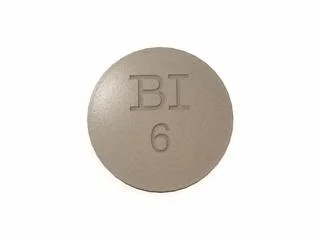

Inderal LA
40mg
Inderal LA is propranolol 40mg in a modified-release capsule for hypertension, angina, migraine prophylaxis and essential tremor. Both beta-1 and beta-2.



Key points
- Preventive medicines do not stop an attack already underway and need a planned trial before benefit can be judged.
- Pregnancy potential, asthma, blood pressure, weight, mood and sleep can strongly affect medicine choice.
- A headache diary helps compare attack days, severity and acute-medicine use before and after treatment.
A preventive listing cannot select a safe option or confirm migraine; diagnosis, comorbidities, interactions and reproductive plans guide prescribing.
Which medicines may be considered?
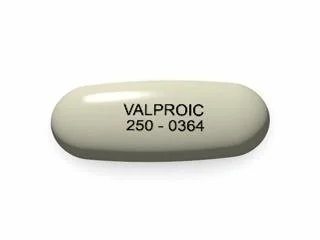
Propranolol, topiramate, amitriptyline and flunarizine act through different pathways and have different safety profiles. Valproate has major pregnancy-related risks and should not be treated as a routine option for people who could become pregnant.
How is benefit reviewed?
Review considers fewer migraine days, lower intensity, improved function and reduced acute-medicine use, not necessarily complete freedom from headache. Ineffective treatment should be reconsidered after an adequate trial within neurology care.
When to seek urgent care
Seek emergency care for a new thunderclap headache, persistent neurological deficit, seizure, confusion, fever with neck stiffness, or sudden vision loss. Suicidal thoughts or a severe medicine reaction also need immediate help.